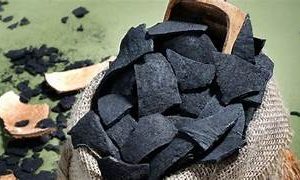

High Carbon Coconut Shell Charcoal for BBQ and Industrial Use
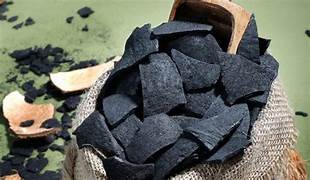
High Carbon Coconut Shell Charcoal : In a world increasingly focused on sustainability, efficiency, and cleaner energy sources, coconut shell charcoal has emerged as one of the most reliable and versatile fuels available. Produced from discarded coconut shells, this form of charcoal is not only environmentally responsible but also delivers superior performance compared to traditional wood-based alternatives.
Whether used for outdoor grilling, large-scale industrial heating, or filtration processes, high carbon coconut shell charcoal offers a unique combination of durability, heat intensity, and low residue. Its growing popularity across global markets is no coincidence—it meets the needs of both everyday users and demanding industrial applications.
Understanding Coconut Shell Charcoal
Coconut shell charcoal is created through a process known as carbonization. In this process, coconut shells are burned in a controlled, low-oxygen environment, allowing them to transform into dense carbon-rich material. The result is a highly efficient fuel source with minimal impurities.
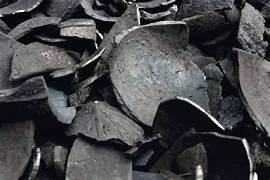
What makes coconut shell charcoal stand out is its structure. Unlike wood charcoal, which tends to be porous and fragile, coconut shell charcoal is dense and compact. This density allows it to burn longer and produce more consistent heat over time.
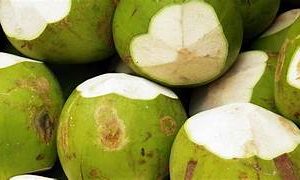
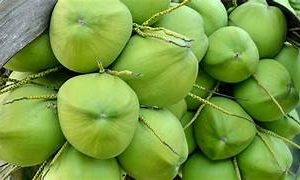
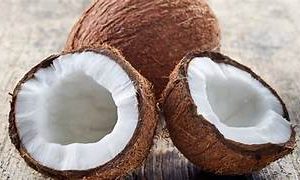
Another important aspect is sustainability. Coconut shells are an agricultural byproduct, often discarded as waste. Converting them into charcoal not only reduces environmental waste but also creates a valuable resource from something that would otherwise go unused.
Key Characteristics and Performance:
One of the defining features of this charcoal is its high carbon content. This characteristic directly influences its burning efficiency, heat output, and overall performance.
Long Burn Time
Due to its density, coconut shell charcoal burns significantly longer than conventional charcoal. This makes it ideal for applications that require sustained heat over extended periods.
High Heat Output
The charcoal reaches higher temperatures, which is especially beneficial for grilling and industrial processes where consistent and intense heat is required.
Low Ash Production
After burning, it leaves behind very little ash. This not only makes cleanup easier but also indicates a higher level of purity.
Reviews
There are no reviews yet.