Cotton & Skin Products: The global textile, agriculture, and natural-materials industries depend on reliable access to quality raw materials. From cotton seeds and cotton yarn waste to textile waste and natural hides, these materials serve a wide range of commercial and industrial applications. For buyers, wholesalers, manufacturers, and international traders, finding dependable suppliers is essential for maintaining consistent quality, competitive sourcing, and efficient supply chains.
The Cotton & Skin category at Steal and Soil brings together several types of cotton-related materials and natural hides in one marketplace. The current category includes cotton seeds, cotton seed meal, cotton yarn waste, textile waste, and different types of donkey and cow hides.
Understanding Cotton & Skin Products
The term “Cotton & Skin” covers two broad groups of commodities: cotton-based agricultural and textile materials, and animal hides used as raw materials for further processing.
Cotton is one of the world’s most important natural fibers. Beyond finished cotton fabrics and yarn, the cotton industry generates valuable by-products such as cotton seeds and yarn waste. These materials can be traded separately and may have applications across agriculture, textile recycling, and industrial processing.
The “skin” side of the category includes products such as wet salted hides, dry hides, and cattle hides. These materials are generally traded as raw materials for downstream processing and leather-related industries.
By bringing these commodities together, a global trading platform can help buyers explore different sourcing opportunities according to their requirements.
Cotton Seeds for Agricultural and Commercial Use
Cotton seeds are an important by-product of cotton production and are commercially traded in many agricultural markets. They can be processed into different products, including cotton seed meal and cotton seed cake.
Steal and Soil currently lists cotton seed products and cotton seed meal within its Cotton & Skin category.
For wholesale buyers, sourcing cotton seeds requires attention to several factors. These can include product grade, crop information, moisture levels, packaging, quantity, origin, and transportation requirements. Buyers should request complete specifications from suppliers before placing an order.
For international trade, documentation and destination-country requirements should also be reviewed in advance. Proper communication between buyers and suppliers can help reduce delays and ensure that the shipment matches the agreed specifications.
Cotton Yarn Waste and Textile Waste
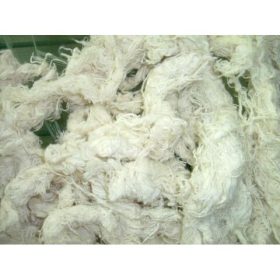
The textile industry generates different forms of waste throughout spinning, weaving, knitting, and manufacturing. Cotton yarn waste is one such material and can have value in recycling and other secondary applications.
Steal and Soil lists both Grade A Cotton Yarn Waste and Indian Cotton Yarn Waste (100% Cotton) in its current Cotton & Skin category. The category also includes textile and cotton yarn waste products.
For businesses purchasing textile waste, quality consistency is an important consideration. Buyers may evaluate factors such as fiber composition, color, contamination, moisture, bale condition, and sorting quality.
Clear product descriptions are particularly important when dealing with recycled textile materials. A buyer looking for 100% cotton waste, for example, may have different requirements from a buyer purchasing mixed textile waste. Confirming these details before shipment can help both parties avoid misunderstandings.
Why Cotton Waste Has Commercial Value
Cotton waste does not necessarily mean unusable material. Depending on its quality and composition, textile waste can become a useful secondary raw material.
Recycling and recovery businesses may use suitable cotton waste in applications involving regenerated fibers, industrial textiles, wiping materials, insulation, stuffing, and other downstream products. The exact application depends on the characteristics of the material and the processing capabilities of the buyer.
The growing interest in resource efficiency has also increased attention toward textile recycling. Instead of treating every textile by-product as disposable waste, businesses can evaluate whether suitable materials can be recovered, recycled, or redirected into another manufacturing process.
For wholesalers and recyclers, consistent sorting and accurate product specifications can therefore make a significant difference.
Natural Hides: Cow and Donkey Hides
The “Skin” portion of the category includes several natural hide products. The current Steal and Soil listings include dry donkey hides, wet blue cow hides, wet salted cow hides, dry and wet salted hides, and cattle hides.
Animal hides are natural raw materials that can be processed by specialized industries. Their commercial value can depend on factors such as animal type, hide size, preservation method, condition, defects, moisture, and processing stage.
Wet salted hides, for example, are preserved using salt to help maintain their condition during storage and transportation before further processing. Dry hides use a different preservation approach and may be traded according to different buyer requirements.
Because hide trading can be subject to animal-product regulations, import requirements, veterinary documentation, and destination-country rules, buyers should verify all applicable regulations before arranging international shipments.
Choosing the Right Cotton or Hide Product
Selecting the right material starts with understanding the intended application. Buyers should not evaluate products solely by price. Quality, consistency, specifications, packaging, logistics, and documentation can all influence the overall value of a shipment.
For cotton products, buyers may want to confirm:
- Fiber composition
- Product grade
- Crop or production information
- Moisture content
- Color and cleanliness
- Bale or packaging specifications
- Available quantity
- Country of origin
- Shipping and delivery options
For hides, important considerations may include:
- Hide type
- Animal origin
- Preservation method
- Size and condition
- Processing stage
- Packaging
- Quantity available
- Required export documentation
- Destination-country regulations
A detailed product specification can make international procurement considerably easier.
Wholesale Sourcing and International Trade
International commodity trading requires more than simply finding a product online. Buyers need reliable communication, transparent specifications, suitable quantities, and practical shipping arrangements.
Steal and Soil describes itself as a global trading company working across agriculture, metals, minerals, and consumer goods, with a focus on connecting suppliers and buyers internationally.
For wholesale customers, this type of marketplace can provide a starting point for discovering different commodity categories and contacting suppliers about availability, specifications, and pricing.
Before completing a purchase, businesses should confirm current stock, minimum order quantities, payment terms, shipping arrangements, inspection requirements, and applicable trade documentation directly with the supplier.
Quality Matters in Commodity Procurement
Quality control is especially important when purchasing agricultural commodities, textile waste, and natural hides. Two products with similar descriptions can have significantly different characteristics depending on their source and processing.
For this reason, buyers should request detailed specifications and, where appropriate, samples or inspection reports before committing to large-volume purchases.
A professional procurement process should establish the exact product description, agreed quality parameters, quantity, packaging, delivery terms, and inspection conditions.
This approach helps buyers compare suppliers more effectively and creates clearer expectations for both parties.
A Practical Marketplace for Cotton and Natural Materials
The Cotton & Skin category currently provides access to ten listed products covering cotton seeds, cotton yarn waste, textile waste, cotton seed meal, and several hide products.
For buyers looking for agricultural by-products, textile materials, or natural hides, having multiple related products in one category can simplify the initial sourcing process. Instead of searching separately for cotton waste, cotton seeds, and hides, buyers can explore these product groups through a single trading platform.
The right supplier, however, depends on the buyer’s individual requirements. Availability, specifications, pricing, destination, and regulatory considerations should always be confirmed before placing an order.
Conclusion
Cotton and natural hides represent important raw-material categories within global commodity trading. Cotton seeds and cotton seed meal provide agricultural and commercial opportunities, while cotton yarn waste and textile waste can serve as secondary raw materials for recycling and manufacturing. Natural cow and donkey hides represent another category of materials requiring specialized handling, preservation, and processing.
For businesses involved in wholesale procurement, recycling, agriculture, textiles, or natural-material processing, understanding product specifications is essential. Buyers should evaluate quality, quantity, preservation, packaging, documentation, and logistics alongside price.
Steal and Soil’s Cotton & Skin category brings together a range of these materials, including cotton seeds, cotton yarn waste, textile waste, cotton seed meal, and different hide products. By carefully comparing specifications and communicating directly with suppliers, businesses can make more informed sourcing decisions and develop dependable international supply relationships.
Whether the requirement is cotton-related agricultural material, textile waste, or natural hides, responsible sourcing begins with accurate information, transparent specifications, and thorough supplier verification.
