The global sugar industry depends on reliable sourcing, consistent quality, and efficient supply chains. For food manufacturers, distributors, wholesalers, and commercial buyers in the United States, selecting the right sugar product is about much more than sweetness. Factors such as purity, granulation, consistency, packaging, handling, and supply reliability can all influence the overall value of a sugar product.
Brazilian refined sugar, particularly ICUMSA 45 sugar, has gained attention in international markets because of its refined appearance, consistent granulation, and versatility across commercial and food-related applications. Steal & Soil features Brazilian White Sugar Refined Sugar ICUMSA 45 as a bulk sugar product and describes it as a high-quality refined sugar with consistent quality and fine granulation.
For U.S. buyers exploring international sugar sourcing, understanding these characteristics can help support better purchasing and quality-control decisions.
What Is Brazilian ICUMSA 45 Sugar?
ICUMSA refers to the International Commission for Uniform Methods of Sugar Analysis, an organization associated with standardized analytical methods used in the sugar industry.
ICUMSA 45 is commonly associated with highly refined white sugar and is widely recognized in international commodity markets. The specification is particularly relevant when buyers want a refined product with a consistent visual appearance and predictable physical characteristics.
Steal & Soil describes its Brazilian ICUMSA 45 refined sugar as a product with excellent purity and consistent quality, with fine granulation designed for a variety of applications.
For commercial buyers, standardized specifications can make it easier to compare products and establish quality expectations between suppliers.
Key Quality Characteristics
One of the primary qualities associated with refined Brazilian sugar is consistency.
Consistency matters considerably in commercial food production. Manufacturers often need ingredients that behave predictably from one production batch to another. Variations in granulation, moisture, color, or physical characteristics can affect processing and finished-product consistency.
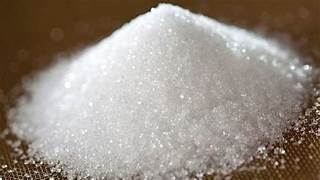
ICUMSA 45 sugar is generally valued for its refined white appearance and relatively fine, uniform crystals.
Steal & Soil specifically describes its Brazilian refined sugar as offering fine granulation and consistent quality for large-scale applications.
For professional buyers, however, product quality should always be confirmed through the supplier’s current specifications, documentation, and applicable quality certificates rather than relying solely on a product description.
Benefits of Refined Sugar for Commercial Applications
Sugar provides several practical benefits beyond its familiar sweet taste.
1. Consistent Sweetness
One of the most important advantages of refined sugar is its predictable sweetness. Consistent sugar characteristics can help food manufacturers maintain similar flavor profiles across production batches.
This is particularly useful for businesses producing baked goods, beverages, confectionery products, sauces, desserts, and other foods where sweetness needs to remain consistent.
2. Versatile Ingredient
Refined sugar can be used in a broad range of food applications.
Depending on the formulation, sugar can contribute sweetness, texture, browning, moisture retention, and other functional characteristics.
It is therefore used in numerous commercial food categories rather than simply as a table sweetener.
3. Fine Granulation
Fine and consistent granulation can be useful for industrial processing because the crystals can integrate efficiently into many formulations.
The Steal & Soil product description specifically highlights fine granulation as one of the characteristics of its Brazilian ICUMSA 45 sugar.
4. Bulk Supply Potential
For commercial buyers, purchasing sugar in bulk can support larger production requirements and supply planning.
Steal & Soil lists its Brazilian refined sugar in 50 kg packaging, positioning it toward commercial and large-scale applications.
Bulk packaging can be particularly relevant for food manufacturers, distributors, wholesalers, and industrial users that require larger quantities.
Applications in the Food Industry
Refined sugar has a broad range of applications across the food and beverage sector.
Bakery
Sugar is widely used in cakes, cookies, pastries, breads, and other baked products. In addition to sweetness, it can contribute to browning, texture, moisture retention, and overall product structure.
Beverages
Sugar can be used to provide sweetness in various beverage formulations. Consistent granulation and predictable dissolution characteristics can be useful when developing commercial drink products.
Confectionery
Candy and confectionery manufacturing relies heavily on sugar as a fundamental ingredient. Sugar contributes to sweetness and can play an important role in texture and structure.
Desserts
Ice creams, puddings, sauces, fillings, and other desserts can incorporate refined sugar as part of their formulation.
Food Manufacturing
Large-scale food manufacturers may use refined sugar as an ingredient across multiple product lines. Consistent specifications can make procurement and production planning easier.
Quality Control Matters
Although refined sugar is a familiar food ingredient, commercial buyers should still take quality control seriously.
Important considerations may include:
- Product specifications
- Purity information
- Granulation
- Color and appearance
- Moisture characteristics
- Packaging integrity
- Batch identification
- Storage requirements
- Supplier documentation
- Applicable food-safety certifications
A reliable supplier should be able to provide appropriate documentation relevant to the product and intended market.
For U.S. businesses importing food ingredients, buyers should also ensure that products and supply arrangements comply with applicable U.S. food-import and labeling requirements.
Food Safety and Responsible Consumption
Sugar is a food ingredient, but it should not be described as a health supplement or as providing special health benefits.
The U.S. Food and Drug Administration distinguishes between total sugars and added sugars on Nutrition Facts labels. Added sugars include sugars added during processing as well as sugars packaged and sold as sweeteners.
The current U.S. Dietary Guidelines for Americans for 2025–2030 emphasize reducing highly processed foods and limiting foods containing refined carbohydrates and added sugars as part of a healthy dietary pattern.
The CDC likewise notes that excessive added-sugar consumption can contribute to health concerns including weight gain, obesity, type 2 diabetes, and heart disease.
Therefore, the appropriate way to describe refined sugar is as a functional food ingredient, not as a product with inherent health-promoting benefits.
How U.S. Buyers Can Evaluate Sugar Quality
When purchasing sugar for commercial use in the United States, buyers should consider both product characteristics and supplier reliability.
First, confirm the exact sugar specification. Terms such as ICUMSA 45 should correspond to clearly defined product specifications.
Second, review packaging and batch information. Proper identification supports traceability throughout the supply chain.
Third, request relevant documentation where appropriate. Depending on the intended use, businesses may need information concerning quality testing, food safety, country of origin, and regulatory compliance.
Finally, evaluate the supplier’s ability to provide consistent products over time. Reliable supply can be just as important as the initial product specification for manufacturers and distributors.
Storage and Handling
Proper storage is essential for maintaining the physical quality of refined sugar.
Sugar should generally be protected from moisture, contamination, pests, and unsuitable environmental conditions. Packaging should remain intact, and storage areas should be clean and appropriate for food ingredients.
Moisture can cause sugar crystals to clump, potentially affecting handling and processing. Commercial facilities should therefore follow appropriate food-storage procedures and the supplier’s recommendations.
Good inventory management also helps maintain traceability and product consistency.
Why Brazilian Sugar Remains Important Globally
Brazil is one of the world’s major sugar-producing countries, giving Brazilian sugar an important role in international commodity markets.
For U.S. businesses, international sourcing can provide access to large-scale suppliers and established commodity supply chains. However, imported food ingredients must still satisfy the requirements applicable to their destination market.
This makes supplier transparency, documentation, quality specifications, and regulatory awareness essential components of responsible sourcing.
Final Thoughts
Brazilian refined sugar, including ICUMSA 45 sugar, offers practical characteristics that can make it suitable for a wide range of commercial and food-manufacturing applications. Steal & Soil describes its Brazilian ICUMSA 45 product as refined, consistent in quality, finely granulated, and available in bulk packaging for large-scale applications.
Its key advantages are primarily functional and commercial: predictable sweetness, versatile applications, fine granulation, consistent physical characteristics, and suitability for bulk food production.
For U.S. buyers, quality should be evaluated through verified specifications, appropriate documentation, packaging integrity, traceability, and compliance with applicable food-safety requirements.
At the same time, sugar should be consumed responsibly. FDA guidance emphasizes paying attention to added-sugar information on Nutrition Facts labels, while the current U.S. Dietary Guidelines recommend reducing highly processed foods and limiting added sugars within an overall healthy eating pattern.
